
History of Ribeira: Engineering, Trade and Port
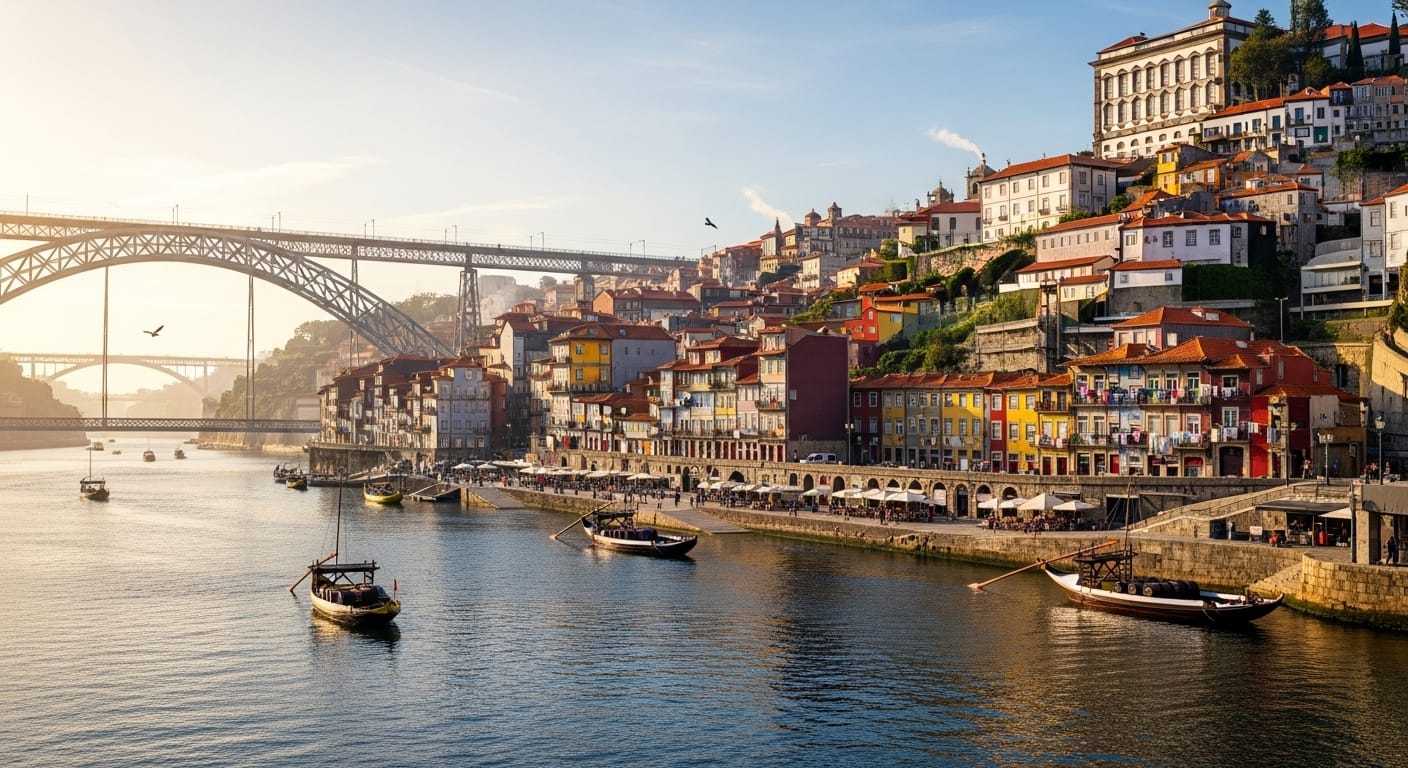
The history of Ribeira, located in the city of Porto, is a fascinating study of the interaction between engineering, commerce and port life over the centuries. This area, one of the oldest and most characteristic places in the city, witnessed profound transformations, shaping the Porto identity.
Origins and initial development of the history of Ribeira
The origins of the Ribeira date back to ancient times, linked to the foundation of the city of Porto. Its strategic location, on the banks of the Douro River, has favored the development of commercial and port activities since the Middle Ages. The proximity to the river allowed easy access to important trade routes, boosting the region’s growth.
The initial construction of the stream was, of course, influenced by the needs of the time. Simple structures, adapted to local conditions, gave way to more complex buildings as the importance of the port area grew.
Engineering and Architecture in the History of Ribeira
Over the centuries, engineering played a crucial role in the evolution of the stream. The construction of piers, warehouses and other port infrastructures required innovative solutions to meet the challenges imposed by the river and weather conditions.
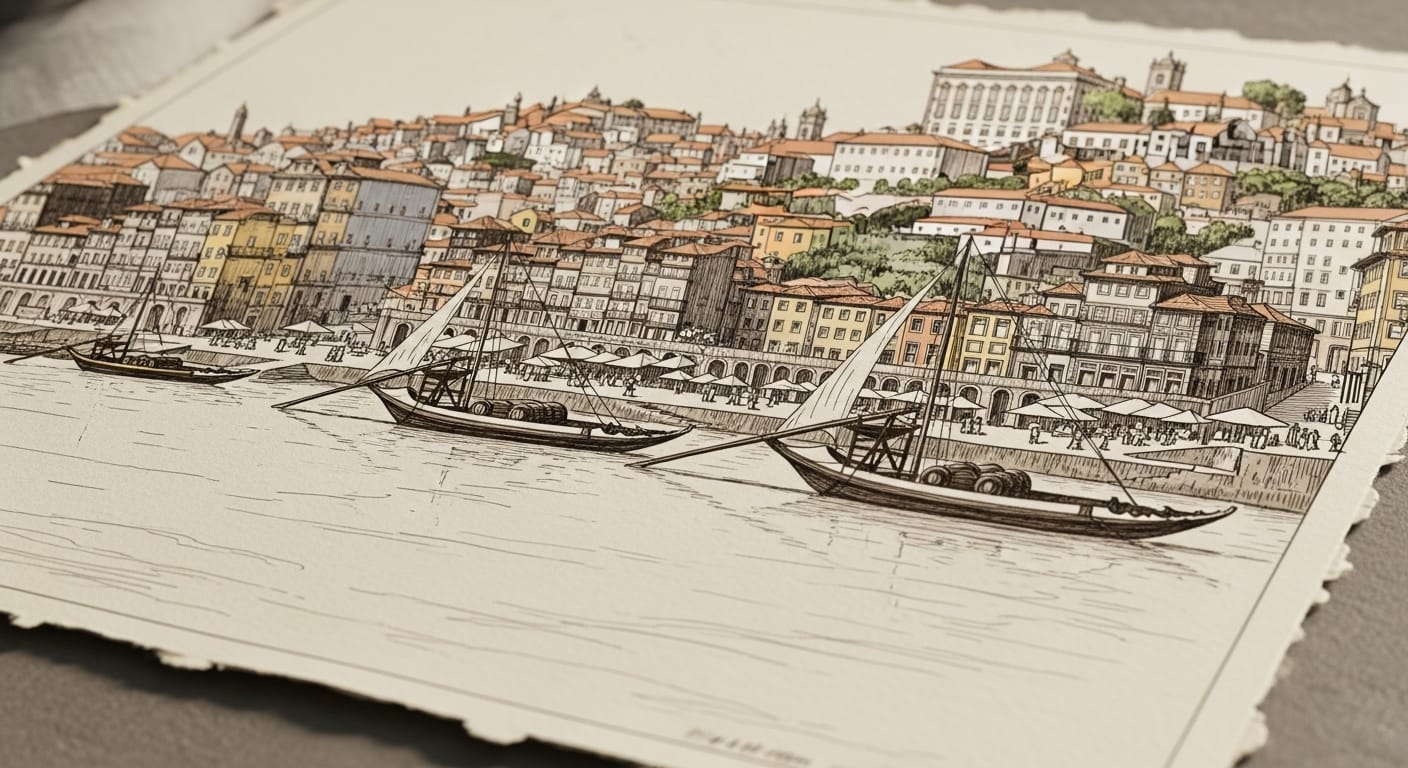
The architecture of Ribeira reflects its multifaceted history. We can observe different architectural styles, from the oldest buildings to the most recent buildings, each with its own story to tell.
Commerce and Port Life in the History of Ribeira: an exchange center
Ribeira has always been a vital center for commerce and port activity. Its privileged location allowed the development of an intense flow of goods, people and ideas. The maritime trade played a key role in the region’s economy, linking the port to the rest of the world.
Life on the stream was vibrant and dynamic, with a diverse population and intense commercial activity. The piers were always full of boats, loaded with products from around the world, creating a unique and cosmopolitan atmosphere.
The history of the stream and its evolution over the centuries
The history of Ribeira was not linear. The region has undergone significant transformations over the centuries, influenced by factors such as the growth of the city, technological development and historical events. Periods of prosperity alternated with moments of crisis, leaving marks on the urban landscape and in the lives of its people.
The construction and reconstruction of the stream reflect the continuous adaptation to the needs of the time. Natural disasters, such as floods, and war events have left profound marks on their history, requiring constant interventions to ensure their functionality and preservation.
Ribeira in the 20th and 20th century: preservation and sustainable development
In the 20th century, Ribeira faced new challenges, related to the modernization of the city and the preservation of its historical heritage. The need to balance economic development with the conservation of its unique character has led to urban requalification projects.

Ribeira today is an example of success in the preservation and revitalization of a historic center. Its recovery allowed the appreciation of its architectural and cultural heritage, transforming it into an important tourist hub and a space for socializing for the local population.
Historiography and sources for the study of the history of Ribeira
The study of the history of Ribeira uses several sources, primary and secondary. Archival documents, ancient maps, traveler reports and historical chronicles provide precious information about the region’s evolution over the centuries. The analysis of historiography allows us to understand how different authors interpreted and represented the history of the stream.
Historical research continues to contribute to a deeper understanding of the complex history of the stream, revealing new facts and perspectives on its evolution. The interdisciplinary study, combining history with archeology, architecture and geography, enriches our understanding of this important historic center.
To deepen the knowledge about the geology of the region, which influenced the construction of the stream, you can consult this scientific article: Neoproterozoic Magmatic Arc Systems of the Central Ribeira Belt, SE ….
For a broader overview of the Ribeira as a historical heritage, it is recommended to consult the Wikipedia page: Ribeira (Porto) – Wikipedia, the free encyclopedia.
–>
The influence of the Douro River in the history of Ribeira
The Douro River played a key role in the formation and development of the stream. Its strength and unpredictability, over the centuries, shaped the urban landscape and influenced the construction techniques used in the region. The floods, although devastating at times, also contributed to the fertility of the soil and the abundance of fishing resources.
The use of the river as a means of transport of goods and people was crucial for the economic development of the stream. The construction of piers and ports, adapted to the characteristics of the river, allowed the expansion of trade and the increase in the strategic importance of the area.
Challenges and changes in the history of Ribeira: from the past to the present
The history of Ribeira was not without challenges. The intense port activity, the demographic pressure and the natural phenomena, such as the floods, imposed the need for constant adaptations and engineering works. The preservation of historical heritage in the face of modern urban development also represented a significant challenge.

The sustainable management of urban space, reconciling the preservation of heritage with the needs of a growing population, has been a constant concern in recent decades. The stream, today, is an example of how preservation and modernization can coexist.
Ribeira in popular culture and collective memory
Ribeira transcends its historical and geographical importance, also becoming a symbol of Porto’s identity. Its iconic image, with its colorful houses, its narrow alleys and its vibrant atmosphere, is deeply rooted in the collective memory of the city and the country.
The stream is often portrayed in literature, music and the visual arts, perpetuating its image in popular culture and transmitting its history to future generations. Its striking presence in the urban landscape contributes to the construction of a strong and lasting identity narrative.
Conclusion: the history of Ribeira as a living heritage
The history of Ribeira is a complex and fascinating narrative, which reflects the evolution of the city of Porto and its relationship with the Douro River. Engineering, commerce and port life have shaped its identity over the centuries, leaving a rich and diverse heritage.
The preservation and appreciation of this historical heritage are fundamental to ensure that future generations can appreciate the cultural wealth and unique beauty of the stream. Its continuous study allows a more in-depth understanding of the history of the city and its identity.
–>
The Ribeira and the Age of Discoveries: a strategic port
The period of Portuguese discoveries had a profound impact on the history of the stream. Its strategic location in the Douro estuary has made it a crucial port for maritime trade, making it easier to start and arrive from exploratory and commercial expeditions to Africa, Asia and the Americas. The intense port activity generated a significant increase in the population and the wealth of the region.
The flow of goods and people from different parts of the world has enriched the culture and diversity of the stream, leaving lasting marks on their identity. The influence of different cultures and traditions contributed to the formation of a cosmopolitan and dynamic society.

Ribeira and urban expansion: growth and transformations
The urban expansion of the city of Porto over the centuries has led to significant changes in the stream. The construction of new infrastructure, such as roads, bridges and buildings, remodeled the urban landscape, changing its structure and appearance. The expansion of the city beyond its original borders had a direct impact on the dynamics of the stream.
Population growth and the intensification of commercial activities required the adaptation and modernization of port infrastructure. The construction of new piers, warehouses and docks allowed for an increase in port capacity and an improvement in working conditions.
Ribeira and industrial transformations: a new scenario
The Industrial Revolution also left its mark on the history of Ribeira. The mechanization of production processes and the development of new technologies impacted port activity, leading to changes in the organization of work and in the economic structure of the region. Ribeira adapted to new realities, integrating industrial transformations into its urban fabric.
The construction of new factories and industries in the vicinity of Ribeira changed the urban landscape and the social dynamics of the region. The arrival of new workers and the diversification of economic activities contributed to the transformation of the stream into an industrial and commercial center.
The Ribeira in the 20th Century: Preservation and Modernization
In the 20th century, Ribeira faced the challenge of reconciling the preservation of its historical heritage with the need for modernization and urban development. The growing awareness of the importance of preserving cultural heritage led to the implementation of conservation and urban requalification policies.
The recovery of historic buildings, the creation of green spaces and the improvement of infrastructures contributed to the revitalization of the Ribeira. The transformation of the Ribeira into a tourist hub attracted investments and boosted the local economy.
The Ribeira in the 21st Century: Future Challenges and Perspectives
In the 21st century, Ribeira continues to face new challenges, related to environmental sustainability, tourism management and the preservation of its cultural heritage. The search for innovative solutions to ensure the preservation of its identity and its adaptation to the needs of a society in constant change is fundamental.
Ribeira, as a living heritage, needs an integrated and sustainable management that reconciles the preservation of its past with the construction of its future. The participation of the local community and the cooperation between different entities are crucial to ensure their preservation and development.
–>
Ribeira and the development of Porto: a symbiotic relationship
The history of Ribeira is intrinsically linked to the development of the city of Porto. The growth of the city, driven by maritime trade and port activity, had a direct impact on the expansion and transformation of the stream. The relationship between Ribeira and Porto is symbiotic, with each influencing and shaping the other over the centuries.
The expansion of the city beyond its original borders led to a reconfiguration of the stream, with the construction of new infrastructures and the adaptation of the urban landscape to the new needs. Ribeira, as a gateway to the city, played a crucial role in its economic and social development.
The floods in the history of Ribeira: challenges and adaptations
The floods of the Douro River profoundly marked the history of the stream. Over the centuries, the region has suffered numerous floods, which have caused significant damage to infrastructure and the population. These natural catastrophes forced the implementation of protective measures and the adaptation of buildings to the conditions of the river.
The construction of protection walls, the rise of the ground level and the improvement of the drainage systems were some of the strategies used to mitigate the effects of the floods. The experience accumulated over the centuries allowed the development of more resistant and effective construction techniques.

Ribeira and gastronomic culture: flavors of history
Ribeira also stands out for its rich gastronomic culture. The proximity to the Douro River and the fishing tradition contributed to the development of a unique cuisine, with dishes and flavors that reflect the history and identity of the region. Ribeira’s restaurants and tascas offer a unique gastronomic experience that attracts visitors from around the world.
The gastronomy of Ribeira is an expression of its history and culture, conveying flavors and traditions that remain alive over the centuries. The typical dishes of the region are a testimony of its cultural wealth and its connection to the Douro River.
Ribeira and tourism: a heritage to discover
Currently, Ribeira is an important tourist destination, attracting visitors from all over the world who seek to know its history, its culture and its architectural beauty. Its privileged location, its vibrant atmosphere and its wealth of heritage make it a unique and unforgettable place.
Tourism contributes to the local economy and to the preservation of the historical heritage of Ribeira. The sustainable management of tourism is essential to ensure that Ribeira remains an attractive and preserved place for future generations.
Conclusion: the stream, a historical treasure to preserve
The history of Ribeira is a testimony to the resilience, adaptation and the ability to transform a community over the centuries. its history, marked by engineering, commerce, port life and flooding


