
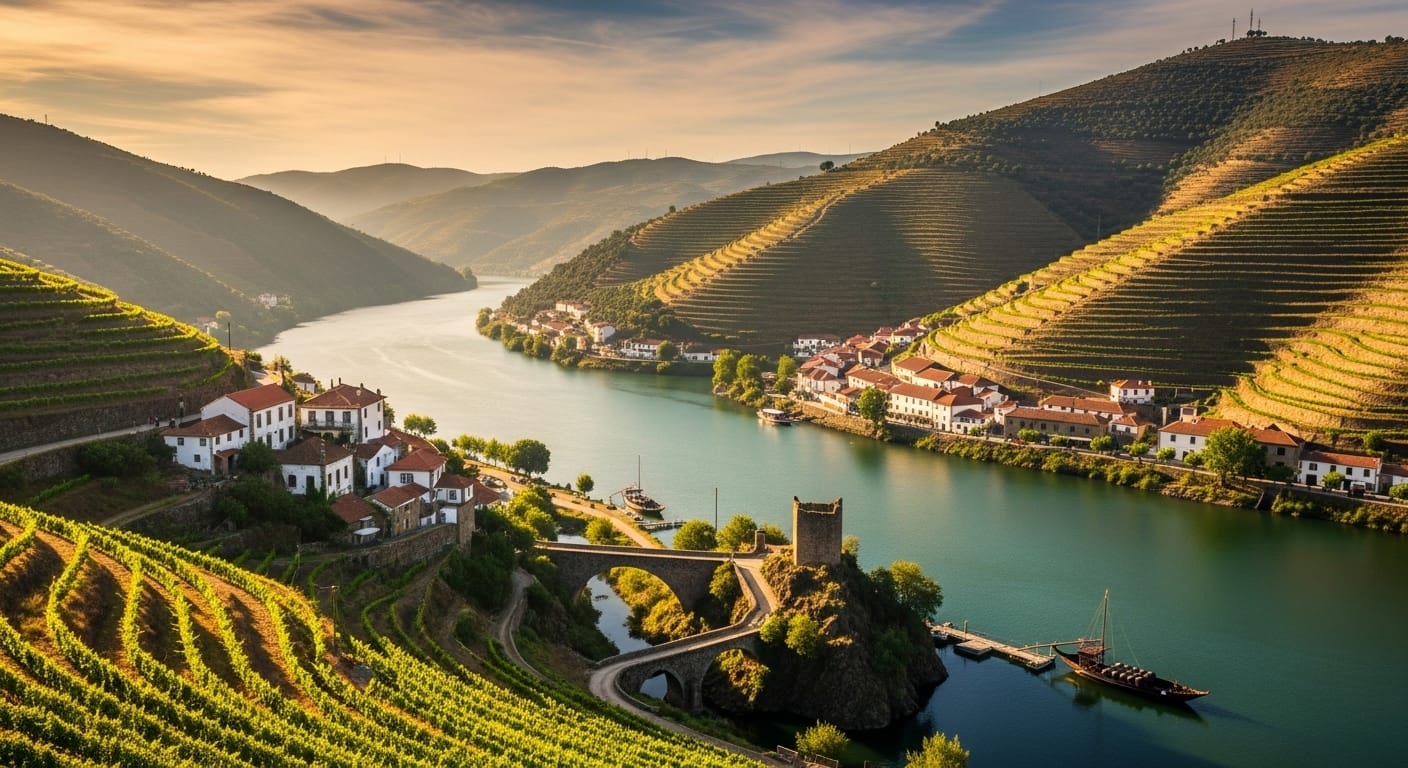
Cruise to Barca D’Alva: 5 historic trips
Embark on a fascinating journey through time with a cruise to Barca D’Alba! Discover five unforgettable historical trips, sailing through the waters of the Douro, a river that has witnessed centuries of history and transformation. Get ready for an adventure that unites the captivating beauty of the landscape with the echoes of the past.
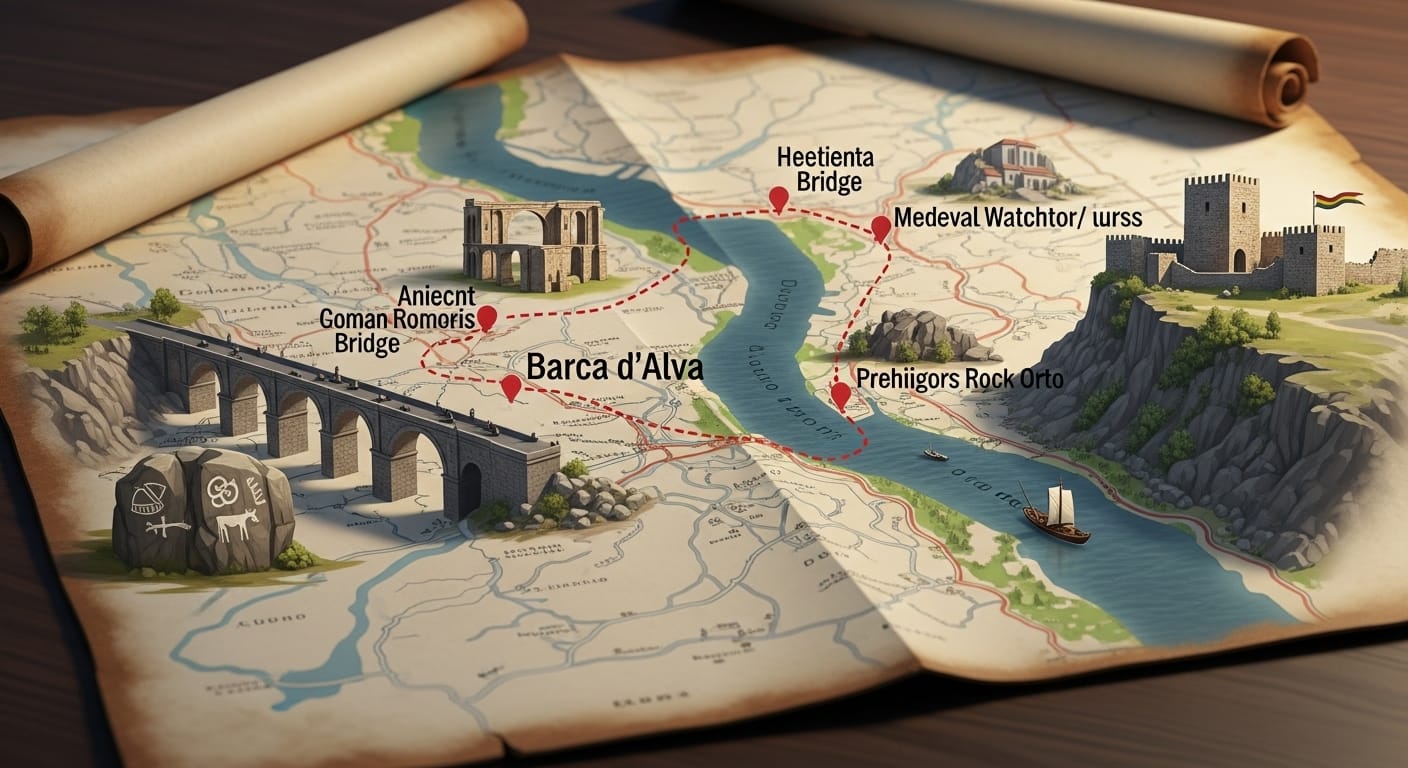
The Roman era and the Douro: a first contact
The history of the Douro and the Barca D’Alba region dates back to Roman times. The Roman presence in the region, although not as remarkable as in other parts of the Iberian Peninsula, left indelible marks. Archaeological studies reveal traces of Roman occupation, suggesting agricultural and possibly commercial activities linked to the river. The exploration of the river for transporting goods and communication between villages, the precursor of modern cruises, was already a reality at that time.
The Roman influence in the region is a topic of continuous study, with new discoveries enriching our understanding of Roman life in the Douro region. The analysis of archaeological materials, such as ceramics and utensils, provides valuable clues about the social and economic practices of the Romans in the region.
The Middle Ages and the Strategic Importance of Barca D’Alba
In the Middle Ages, Barca D’Alba gained strategic importance due to its border location. The region became the scene of conflicts between Christian and Muslim kingdoms, and its privileged position on the Douro River made it a crucial point for the control of navigation and commerce. the very existence of Barca D’Alba as a village probably consolidated in this period.
The analysis of medieval documents, such as letters and chronicles, makes it possible to reconstruct, albeit partially, the political and social dynamics of the region. The absence of abundant primary sources, however, makes historical reconstruction a challenge. Historiographical research continues to look for new evidence to fill the gaps in our knowledge.
The 19th Century: The Douro and the Development of the Wine Trade
The 19th century marks a new era for the Douro and Barca D’Alba. The development of wine trade profoundly transformed the region, boosting economic growth and infrastructure building. The Douro River, previously used mainly for the transport of various goods, has become the main artery for transporting port wine to the world. The importance of river transport, the predecessor of modern cruises, is undeniable in this context.
The expansion of port wine production had a profound impact on the landscape and society of the region. The construction of farms, cellars and irrigation systems changed the environment, shaping the landscape we know today. The influence of the wine trade in the history of Barca D’Alba is a crucial topic for understanding its evolution.
The 20th Century: Barca D’Alba and its integration into modernity
In the 20th century, Barca D’Alba experienced the transformations of modernity. The construction of infrastructures, such as the international railway line, linked the region to other parts of the country and Europe, facilitating access and exchanges. Despite the transformations, the historical heritage of the region remained alive, shaping its cultural identity.
The evolution of Barca D’Alba in the 20th century is a complex theme that requires a multifaceted analysis. Integration into the national economy and the modernization of infrastructure had a profound impact on the daily life of the population. However, the preservation of cultural identity and historical heritage also played a crucial role.
Cruise to Barca D’Alba: A look to the future
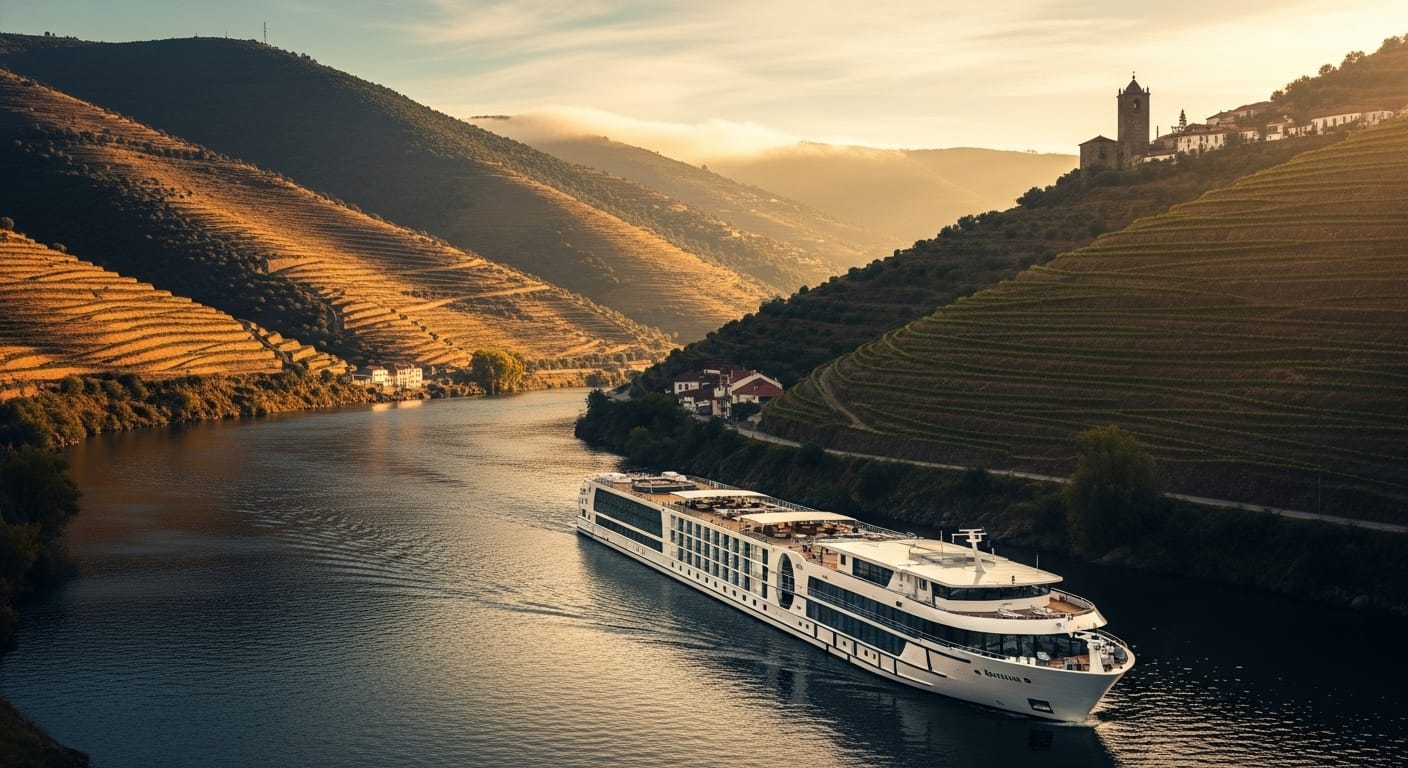
A cruise to Barca D’Alba is not just a trip; It is an immersion in the rich history of the region. Navigating through the Douro is to relive centuries of events, from the Roman era to modernity. It is to witness the interaction between man and nature, the construction of a unique cultural identity. It is, in essence, a journey through time.
The preservation of the historical and cultural heritage of the Douro region is essential to ensure that future generations can enjoy the richness of their history. The promotion of sustainable and responsible tourism is crucial to reconcile the preservation of heritage with economic development.
To deepen the knowledge about the history of the Douro River, we recommend reading the Wikipedia article: Douro River – Wikipedia, the free encyclopedia. This feature offers a comprehensive view of the history of the river and its importance to the region.

–>
Cruise to Barca D’Alba: the perspective of historiography
The historiography of Barca D’Alba and the Douro region is rich and diverse, reflecting the complexity of its history. Several authors and researchers dedicated themselves to the study of the region, analyzing different aspects of its evolution, from archeology to social and economic history. The interpretation of historical facts, however, is not always consensual, leading to different perspectives and approaches.
The analysis of primary sources, such as historical documents and archaeological records, is fundamental for the construction of a precise historical narrative. However, the scarcity of sources for certain historical periods makes the task of historians even more complex. The interpretation of existing sources requires rigor and care, taking into account the historical context and the possible limitations of the sources.
The impact of tourism on the region: a new chapter
In recent years, tourism has played an increasingly important role in the region’s economy. The development of river tourism, including Douro cruises, brought new economic and social opportunities to Barca D’Alba and neighboring towns. This new chapter in the history of the region requires careful and careful analysis, considering its positive and negative impacts.
The preservation of historical and cultural heritage is essential to ensure the sustainability of tourism in the region. Responsible tourism and aware of its historical heritage is essential so that economic development is not made at the expense of the loss of cultural identity. The balance between preservation and development is a constant challenge for the region.
Cruise to Barca D’Alba: An immersive experience in history
A boat cruise to Barca D’Alba offers a unique opportunity to experience the history of the region in an immersive way. Navigating through the Douro, observing the landscape, and imagining the events that have unfolded over the centuries, is an unforgettable experience. It is a way to connect with the past and to better understand the wealth of the history of Portugal.
The integration of historical elements on cruises, such as guided tours of archaeological sites and local museums, can further enrich the experience of tourists. The combination of tourism and historical education can contribute to the appreciation of cultural heritage and to the promotion of the region.
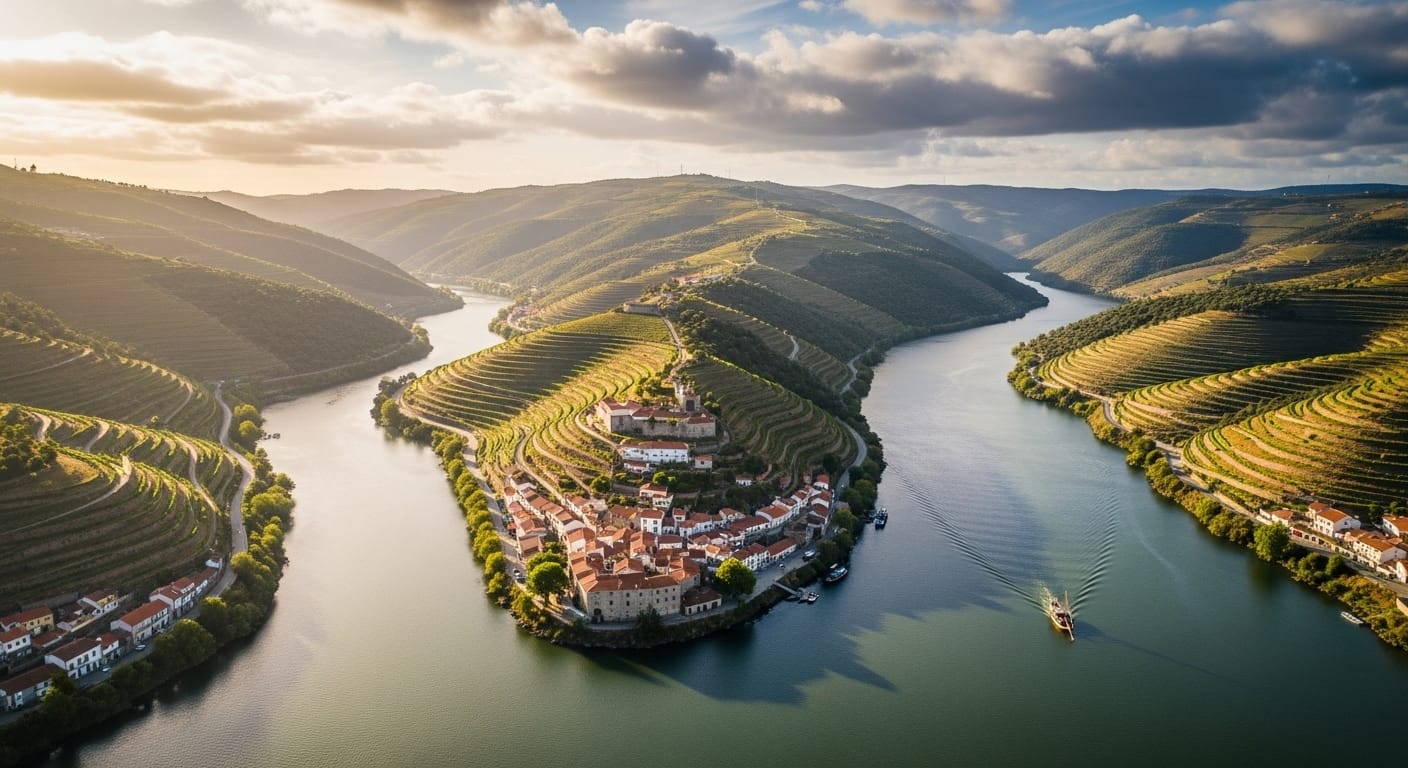
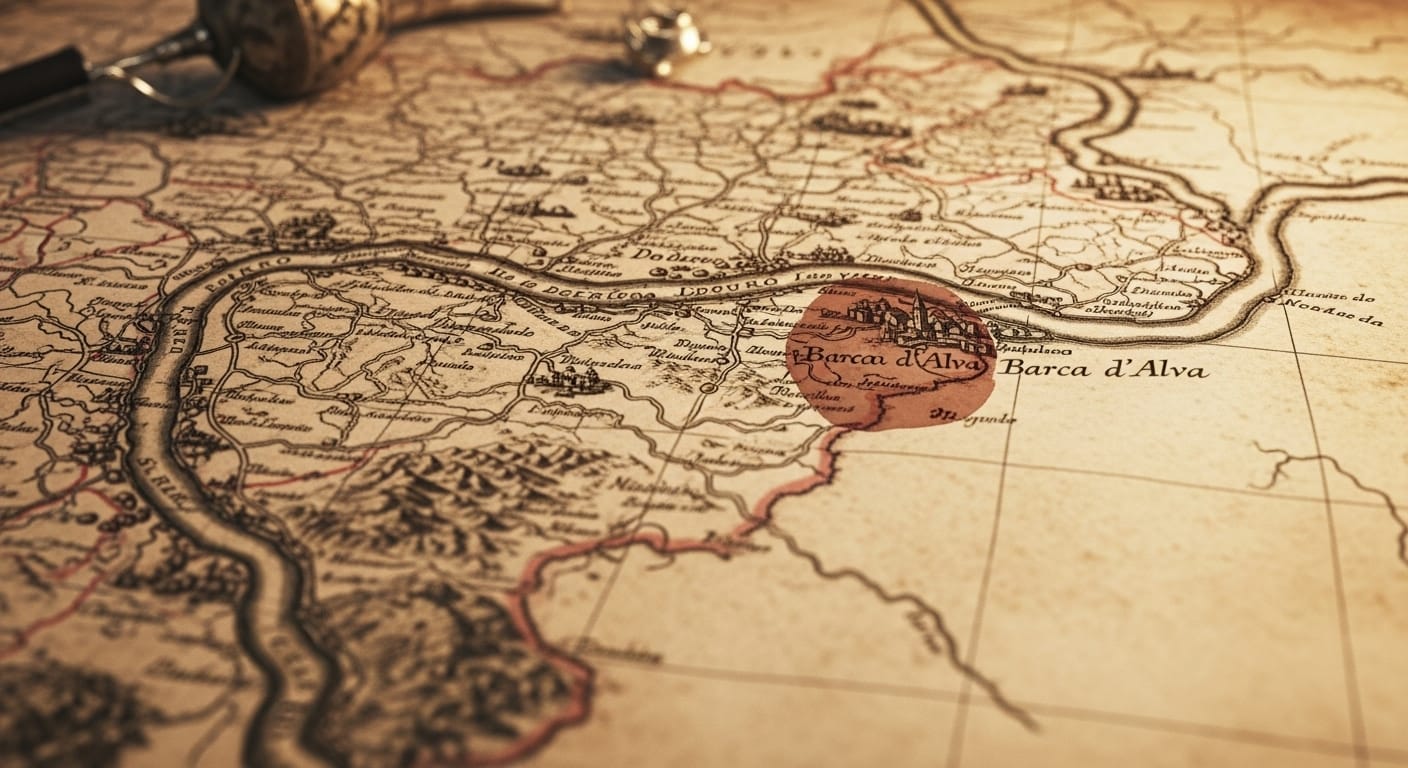
The exploration of the Douro River in Cruzeiro, therefore, transcends the simple act of traveling. It is a journey through time, an immersion in history, an opportunity to connect with the cultural heritage of a unique and fascinating region. It is an experience that will forever be etched in memory.
–>
The Douro line and the connection with the world
The construction of the Douro line, at the end of the 19th century, represented a fundamental milestone in the history of the region. This railway line, which connected the interior of the country to the coast, boosted economic development and facilitated access to Barca D’Alba. Rail transport complemented river transport, consolidating the region’s strategic role in commerce and communication.
The Douro line not only transported goods, but also people, contributing to the circulation of ideas and cultures. Its construction had a profound impact on the landscape and life of local populations, marking a new chapter in the history of the region.
Barca D’Alba and the border: A space for exchanges and encounters
The border location of Barca D’Alba, on the border between Portugal and Spain, gave it a unique identity, marked by the interaction between different cultures and traditions. Throughout history, the border has been the scene of commercial, cultural and social exchanges, shaping the identity of the region.
The analysis of the history of the border between Portugal and Spain in the Barca D’Alba region reveals a complex dynamic, marked by periods of cooperation and conflict. Its strategic location influenced its history, making it a meeting and exchange point between different cultures.
The preservation of historical heritage: a commitment to the future
The preservation of the historical and cultural heritage of Barca D’Alba and the Douro region is essential to ensure that future generations can enjoy this inestimable wealth. The protection of historical monuments, the appreciation of traditional handicrafts and the promotion of local culture are essential for the identity of the region.
The implementation of heritage preservation policies, together with sustainable tourist development, is crucial to reconcile the preservation of cultural heritage with economic development. a delicate balance, but essential for the future of Barca D’Alba.
Cruise to Barca D’Alba: A journey of discovery and reflection
A cruise to Barca D’Alba is not just a trip; It is an immersive experience in the history and culture of a fascinating region. It is an opportunity to reflect on the evolution of humanity, to contemplate the beauty of nature and to connect with the wealth of historical heritage.
The choice of a cruise as a way of exploring the Douro region allows a unique contemplation of the landscape, providing a privileged perspective on the history and culture of the region. It is a way of traveling through time and discovering the unique beauty of Barca D’Alba.
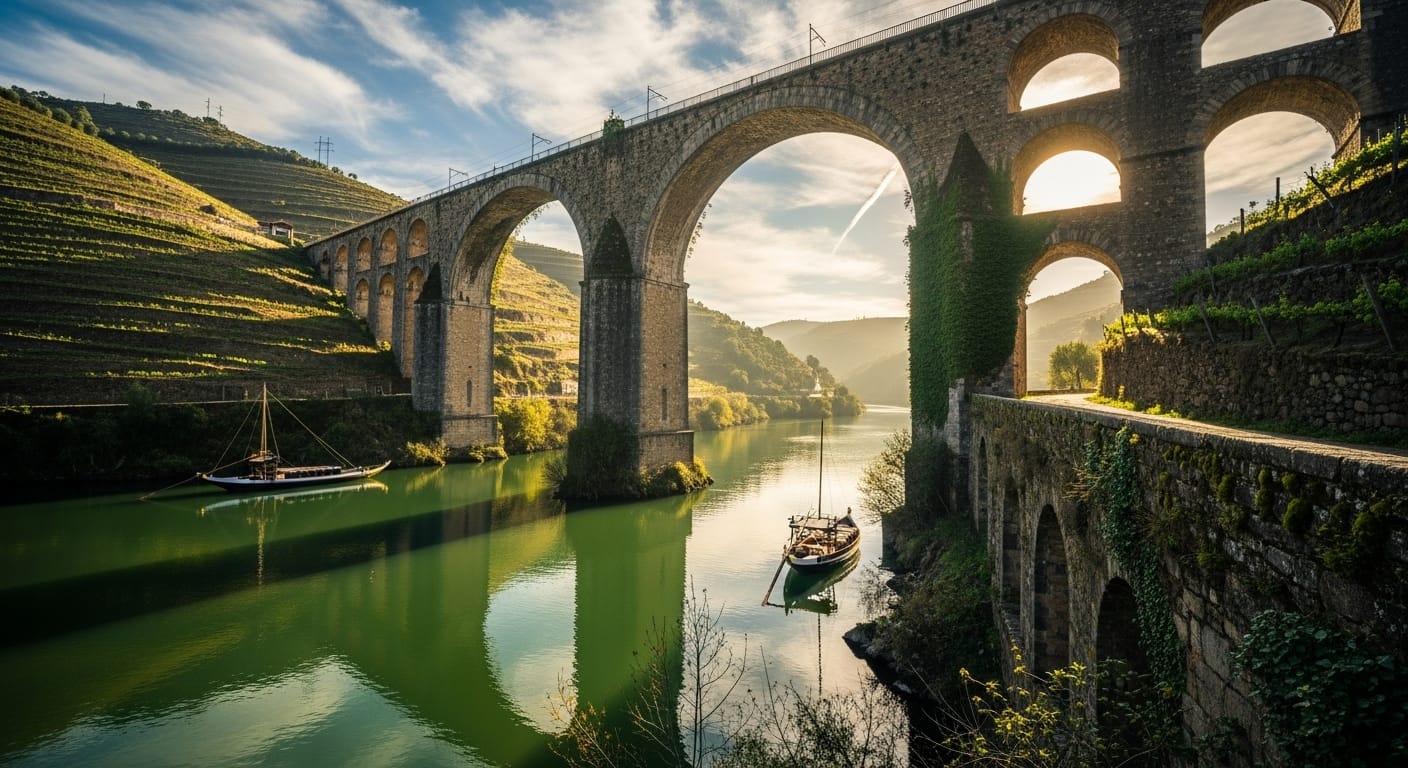
When sailing through the waters of the Douro, we feel the strength of history, the greatness of nature and the cultural wealth of a region that remains alive and vibrant. a boat cruise to Barca D’Alba is, above all, an unforgettable trip.
–>
Regional gastronomy: Flavors of history
The gastronomy of the Barca D’Alba regionAlva is a reflection of its rich history and unique landscape. Traditional dishes, often transmitted from generation to generation, tell stories of adaptation and creativity, reflecting the influence of the cultures that have passed through the region over the centuries. The authentic flavors of the region are a perfect complement to the experience of a boat cruise to Barca D’Alba.
The use of local products, such as Douro wine, olive oil, and the different types of meat and fish, gives regional gastronomy a unique and unmistakable character. The combination of fresh ingredients and traditional recipes results in tasty dishes full of history.
Traditional music and dance: Cultural expressions
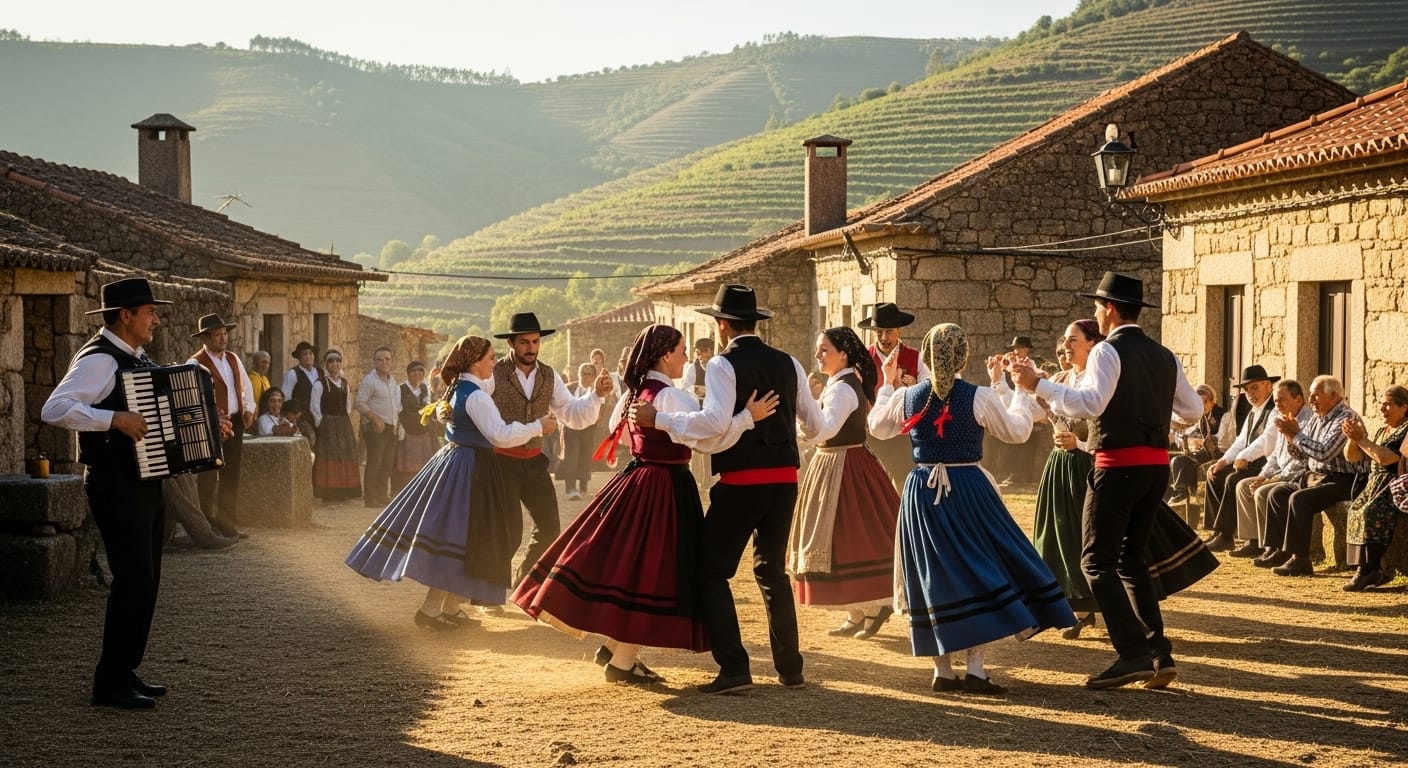
The traditional music and dance of the Barca D’Alba region are living expressions of their culture and history. Traditional melodies and rhythms, often accompanied by typical musical instruments, evoke the soul of the region and convey their cultural identity.
Popular parties and celebrations are privileged moments to experience traditional music and dance. These cultural manifestations are a demonstration of the vitality of the local culture and a testimony of its capacity for adaptation and preservation.
Historical architecture: a heritage to preserve
The historic architecture of Barca D’Alba and neighboring locations is a reflection of its history and evolution. Traditional buildings, often built in stone and adapted to the landscape, testify to the capacity to adapt local populations to the conditions of the environment.
The preservation of historical architecture is fundamental to the identity of the region. The conservation and appreciation of historic buildings contribute to the preservation of collective memory and to sustainable tourist development.
Cruise to Barca D’Alba: A trip to memory
A cruise to Barca D’Alba is more than just a trip; It is a journey to memory, an immersion in the history and culture of a singular region. It is an opportunity to contemplate the beauty of the landscape, to discover the richness of the historical heritage and to experience the vitality of the local culture.
When sailing through the waters of the Douro, we perceive the importance of the river as a central element in the history of the region. It is a testimony of the evolution of humanity, its ability to adapt and its creativity.

The legacy of the past: a future to build
The story of Barca D’Alba and the Douro region is a valuable legacy that must be preserved and transmitted to future generations. the preservation of the historical heritage, the value
